

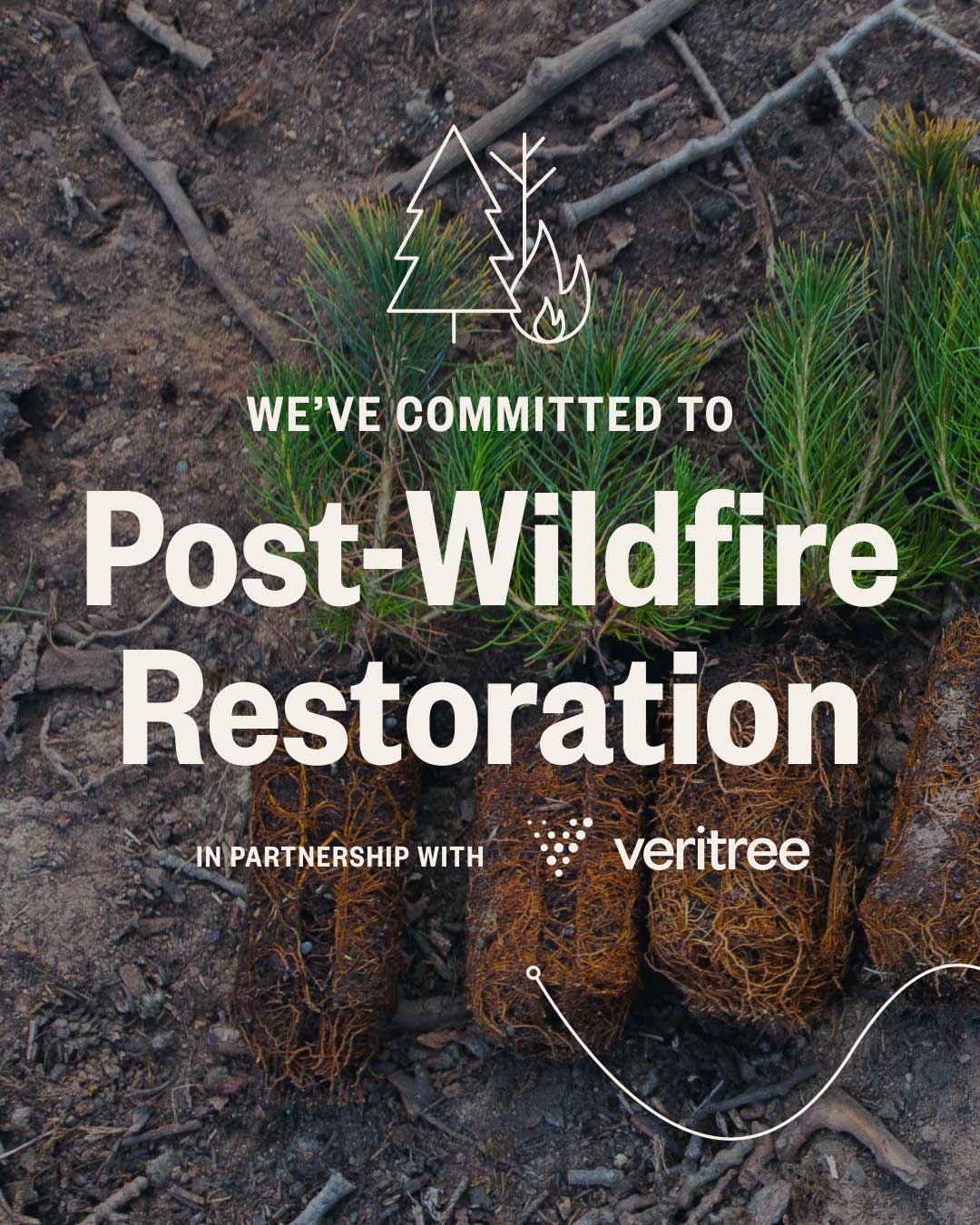
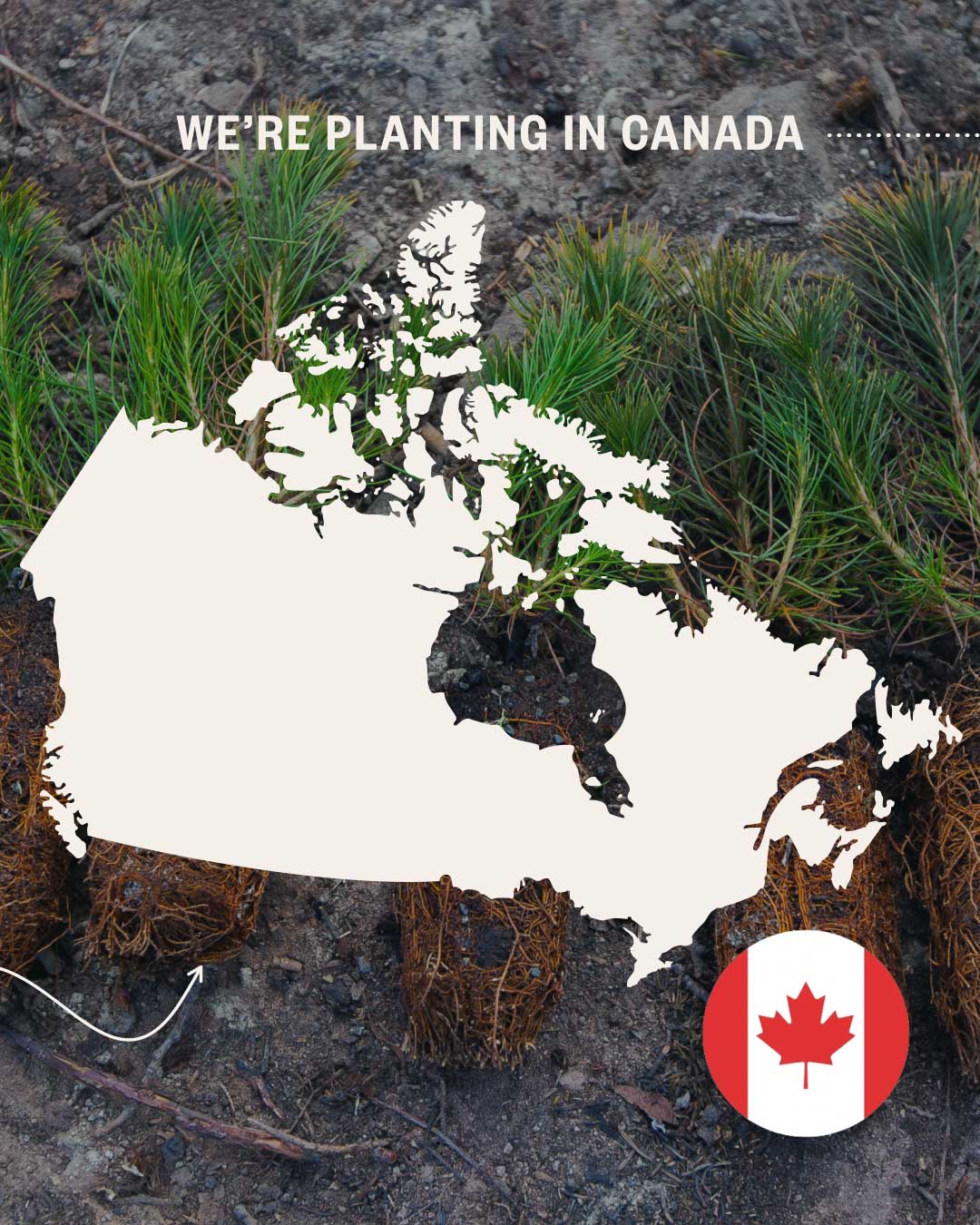
Through our partnership with veritree, U-Build supports post-wildfire reforestation in Burns Lake, British Columbia.
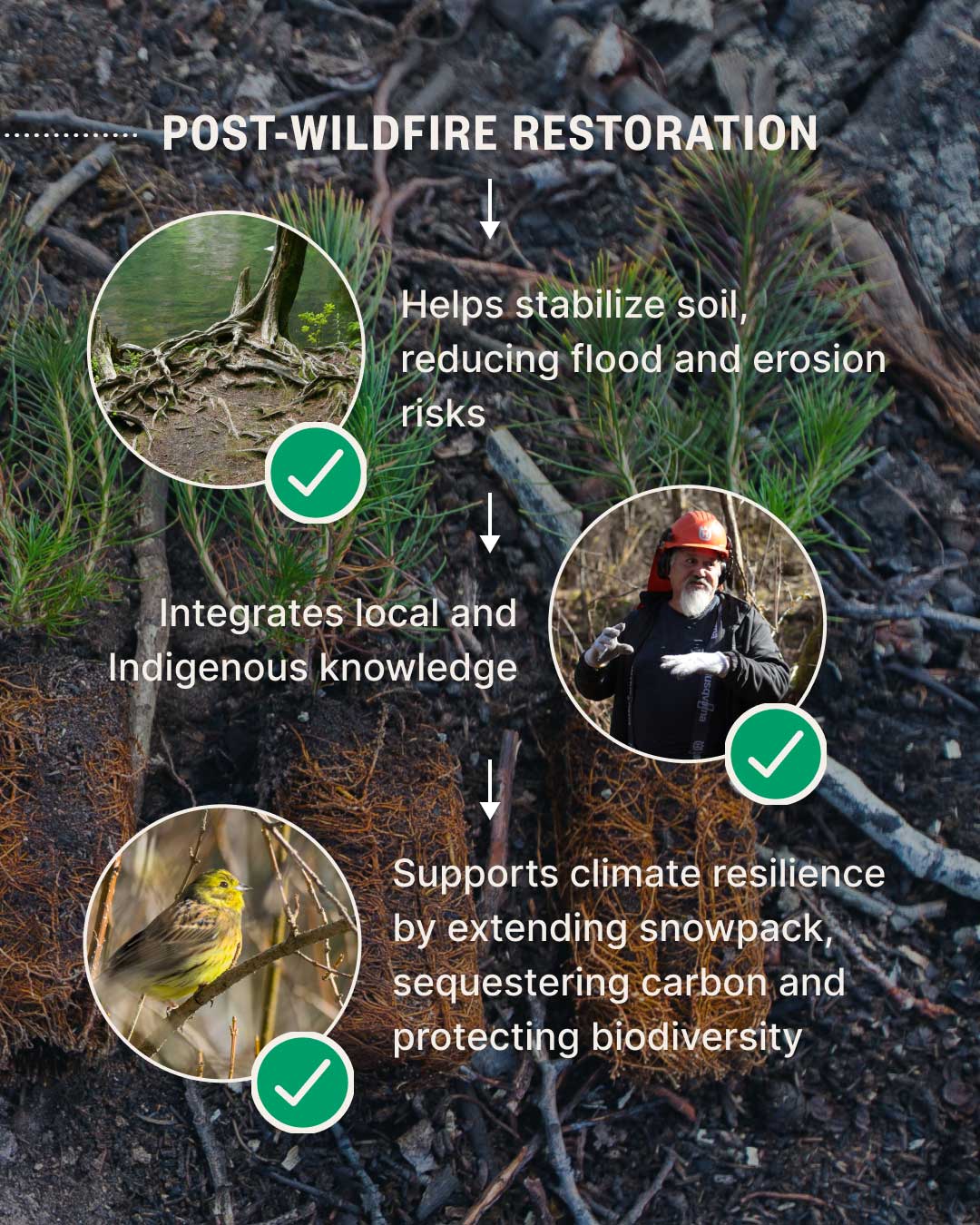
U-Build Steel Buildings is proud to join the global restoration movement as a tree-planting partner with veritree, supporting post-wildfire recovery in Canada. This year, U-Build committed to helping reforest the Burns Lake, British Columbia, post-fire restoration project. By restoring these impacted areas, the initiative supports long-term ecological recovery, strengthens carbon sequestration, improves wildlife habitat, and reintroduces important native plant species such as berries that benefit both biodiversity and local communities. Through this partnership, U-Build is helping bring renewed stability, health, and resilience back to the landscape.
Steel - A Material Designed for Circularity

Key Circular‑Economy Benefits
- 100% recyclable at the end of a building’s life
- High recycled content in most Canadian‑produced steel
- Closed‑loop potential, reducing demand for virgin resources
- Minimal waste due to precision manufacturing and predictable material performance
These characteristics help reduce landfill use, conserve natural resources, and support a more sustainable construction cycle.
Steel - Durability That Reduces Environmental Impact
Environmental Advantages of Long‑Life Structures
- Fewer replacements over time
- Reduced consumption of new materials
- Lower cumulative emissions across the building’s lifespan
Durability is a form of sustainability, and steel excels in this regard.
Steel - Efficient Use of Resources

Resource‑Efficiency Highlights
- Off‑site fabrication minimizes onsite waste
- Optimized structural design reduces material use
This efficiency contributes to a smaller environmental footprint from start to finish.
Steel - Energy Performance and Operational Sustainability

Operational Sustainability Benefits
- Improved thermal performance
- Reduced energy consumption
- Lower greenhouse gas emissions over the building’s life
While steel itself is not an insulator, its compatibility with advanced envelope systems makes it a strong platform for energy‑efficient design.
Steel - Adaptability and Reuse

Adaptability Advantages
- Buildings can be expanded or modified without major demolition
- Structural elements can be reused in new applications
- Reduced waste when buildings are renovated or repurposed
Adaptability extends the useful life of both the building and its materials.
Steel - Supporting Canada’s Low Carbon Future
Industry‑Wide Sustainability Initiatives
- Lower‑carbon steel making processes
- Increased use of renewable energy
- Enhanced recycling infrastructure
- Research into advanced, low‑emission technologies
These ongoing improvements help ensure that steel remains a responsible and forward‑looking choice for construction.
Steel - A Sustainable Foundation for the Built Environment